glamoxyn

Why late autumn is the time to look at camera control

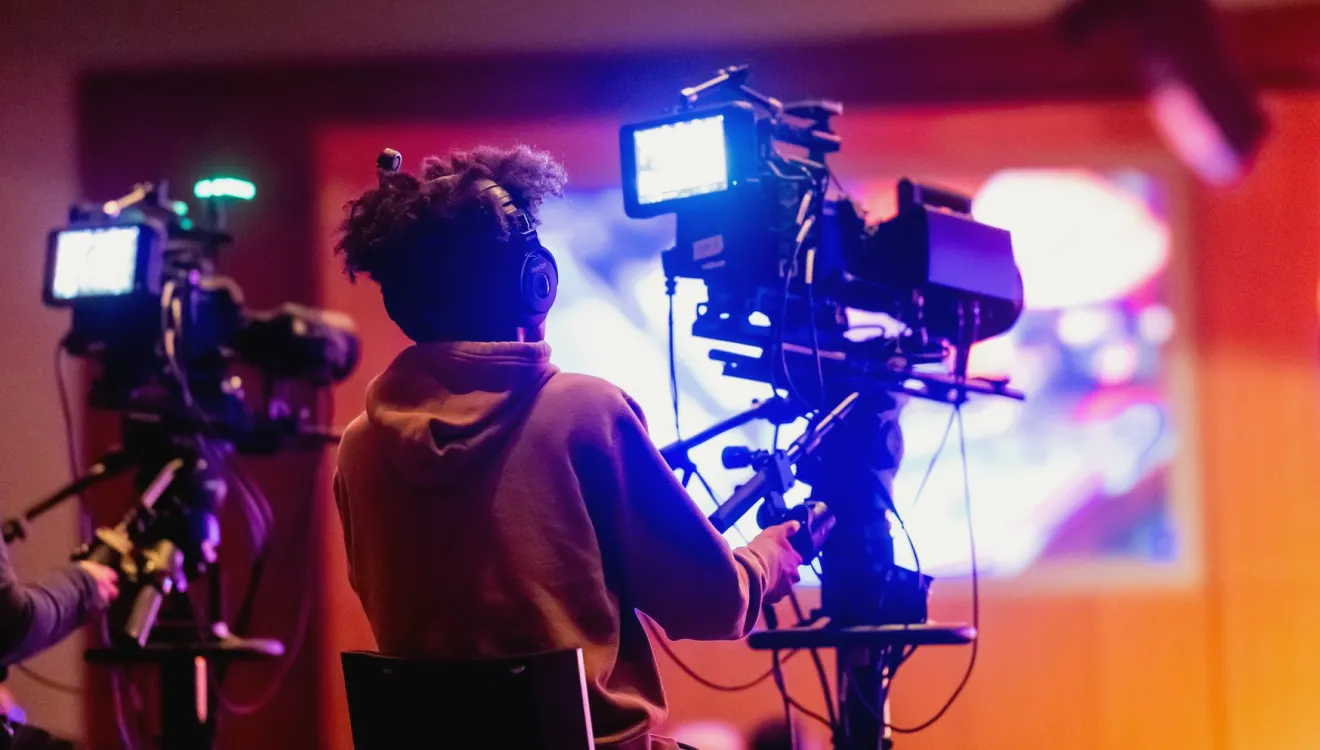
Most studios and event crews hit the same stretch from now until the new year: more programmes, more live evenings, and fewer free days in the schedule. Camera control tends to be ignored until something misbehaves on air, and these weeks are when small faults turn into expensive ones. I come to this as a lighting designer, so I see camera systems from the other side of the lens, but I work beside Owen Pritchard on shading often enough to know what he asks for before a season starts.

A calm week in late autumn is worth more than a frantic one in December. If a remote head drifts, a control panel sticks or a cable run has been strained all summer, you want to find it while the studio is still half empty and a spare day exists. Nothing here needs special equipment, only a list and a few hours of patient testing.

What cold and damp do to remote heads

Remote camera heads are mechanical devices, and mechanical devices dislike temperature swings. A studio that sat warm through the summer and is now heated only on production days will expand and contract every week. Grease thickens, belts tighten, and a pan and tilt move that was silky in July can start to stutter on slow, careful reveals. Touring and outdoor event heads suffer more, particularly when they travel in a van overnight.

Run each head through its full range at slow speed before anything is recorded, and watch for jerks at the ends of travel rather than in the middle. Listen as well as look. A new tick or whine is usually the first warning, and it is far cheaper to have it checked now than to replace a head mid-series.

  • Run full pan and tilt travel slowly, then fast, and note any hesitation
  • Check that preset positions still land where they were stored
  • Let equipment from a cold van warm up before powering it on

Shading in shorter, darker days

Daylight leaking into a studio through roof lights or doors quietly changes your picture across the day in summer. In late autumn that influence fades, and you may find the shading you settled on in warmer months now looks slightly off. Colour balance, black levels and exposure are worth resetting rather than trusting last season's memory.

With less natural light, the camera control operator sees the programme more consistently from morning to evening, which makes it a good moment to set a clean baseline. Shoot a chart under your normal programme lighting, match the cameras to each other, and save the result. Priya on the lighting side will tell you the same from experience: a consistent starting point makes every later adjustment smaller and faster to explain to a new operator.

Control panels, cabling and the quiet failures

Panels and cables rarely fail loudly. A joystick develops a dead zone, a fader starts to crackle, a connector works only if the lead is held at a certain angle. Over a busy summer these faults accumulate unnoticed because everyone learns to work around them. Winter schedules leave far less room for workarounds, and a new freelancer arriving on a Monday will not know the tricks.

Walk the signal path from the panel to the head and treat every joint as suspect. Re-seat connectors, look for crushed or kinked lengths under floor boxes, and label anything that is not clearly marked. A tidy, documented run is also the best protection against the mistakes that happen when tired crews strike and rig in a hurry.

  • Test every joystick, fader and button on each control panel
  • Re-seat and inspect connectors; replace any that grip loosely
  • Label both ends of every control cable, including spares

Training crews before the busy weeks

Seasonal work brings seasonal crews. People return after months away, and new operators arrive who have used different control equipment. A short hands-on session before the first big programme saves more time than any amount of patient explanation during rehearsal. Walk through the panel layout, the way presets are recalled, how shading is matched, and what to do when a head loses its connection.

Keep the session practical and brief. Let each person drive a camera while another watches the monitor, and swap round. Write down the three or four things that surprised people, because those become your handover notes for the next season. The aim is not expertise in an afternoon but a crew who will ask the right question early instead of guessing on air.

A short winter checklist for camera control

Pulling this together, the work is mostly about order. Start with the mechanical checks, then the signal path, then the picture, and finish with the people. Doing them in that sequence means a problem found early does not undo the later steps, and you only match cameras once the hardware is behaving.

Book the time now, while diaries still have gaps, and keep the written results where the whole crew can find them. If something turns up that you would rather not tune alone, such as a head that will not hold position or a control network that drops connections, it is sensible to ask for a second pair of eyes before the schedule closes up.

  • Mechanical: full travel tests on every head and a check of mounts
  • Signal path: connectors, cable runs and labels
  • Picture: chart, match and save a fresh shading baseline
  • People: a short hands-on session for returning and new operators

The coming months reward preparation more than ambition. A few quiet hours spent on remote heads, panels, cabling and shading will protect a crowded schedule from avoidable faults, and a written baseline gives every operator the same starting point. Do the checks in order, keep the notes where the crew can read them, and the winter programmes will run on settled equipment rather than on luck.