
← Journal
Lighting Design
Lighting Design: A Checklist to Work Through Before You Decide
Before you commit to a lighting plot for a studio programme or live stage, these are the questions on skin tones, camera response, rigging and rehearsal time worth settling first.
Callum Ashworth · · 6 min read
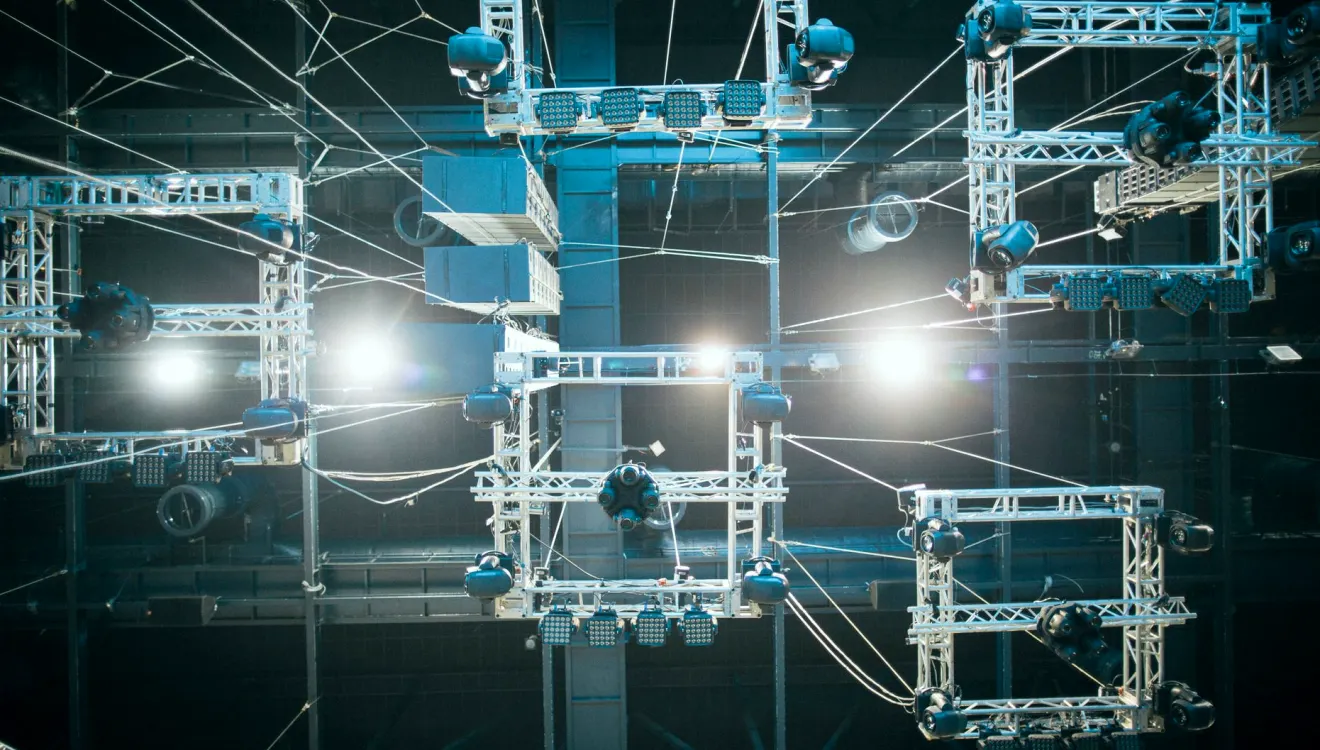
Start with what the camera will actually see
- Camera models, lenses and typical shot sizes
- Live, recorded or streamed delivery
- Floor plan, ceiling height and available truss
Skin tones come before everything else
- Test across a range of complexions
- Hold one colour temperature for key lights
- Check wardrobe against the set colours
Know how your cameras respond to the light
- Shared review of lighting and shading plans
- Check backgrounds for hot spots
- Test fixtures for flicker at your shutter settings
Rigging, power and what the room can carry
- Rigging points and safe working load
- Circuits, distribution and cable routes
- Fixture heat and fan noise near microphones
Time, people and the rehearsal that decides it
- Hours for rig, focus and level setting
- One named person who approves the look
- Written record of final cues and positions
Questions to put to whoever designs your plot
- A drawn plot reviewed before anything is built
- How late changes are handled
- Handover notes for your own crew
A lighting decision made well is mostly a set of small questions answered early: what the cameras see, how faces look, what the room can carry, and who has the time to get it right. Work through the points above with your own crew and your designer, and keep the written answers. If you would like to talk through a particular studio or stage, the contact page is the place to begin.