glamoxyn

Why a single figure is rarely honest

People ask me for a day rate or a per-camera price, and I understand why. It makes budgeting easier. The trouble is that camera control work varies so much between studios that one number would either be padded or wrong. A two-camera talk set with fixed positions and a four-camera drama with moving heads are different jobs, even though both involve the same sort of equipment.

What we do instead is price from a written description of the job. After an enquiry through the contact page we ask about the room, the number of cameras, how the crew works and when transmission or recording starts. From that we write a quotation that states what is included, what is assumed and what would change the figure. This piece covers the factors that do the most to move it.

If you are early in planning, it helps to know these factors before you speak to anyone, because several of them can be decided cheaply on paper and expensively on the day.

Camera count and head type

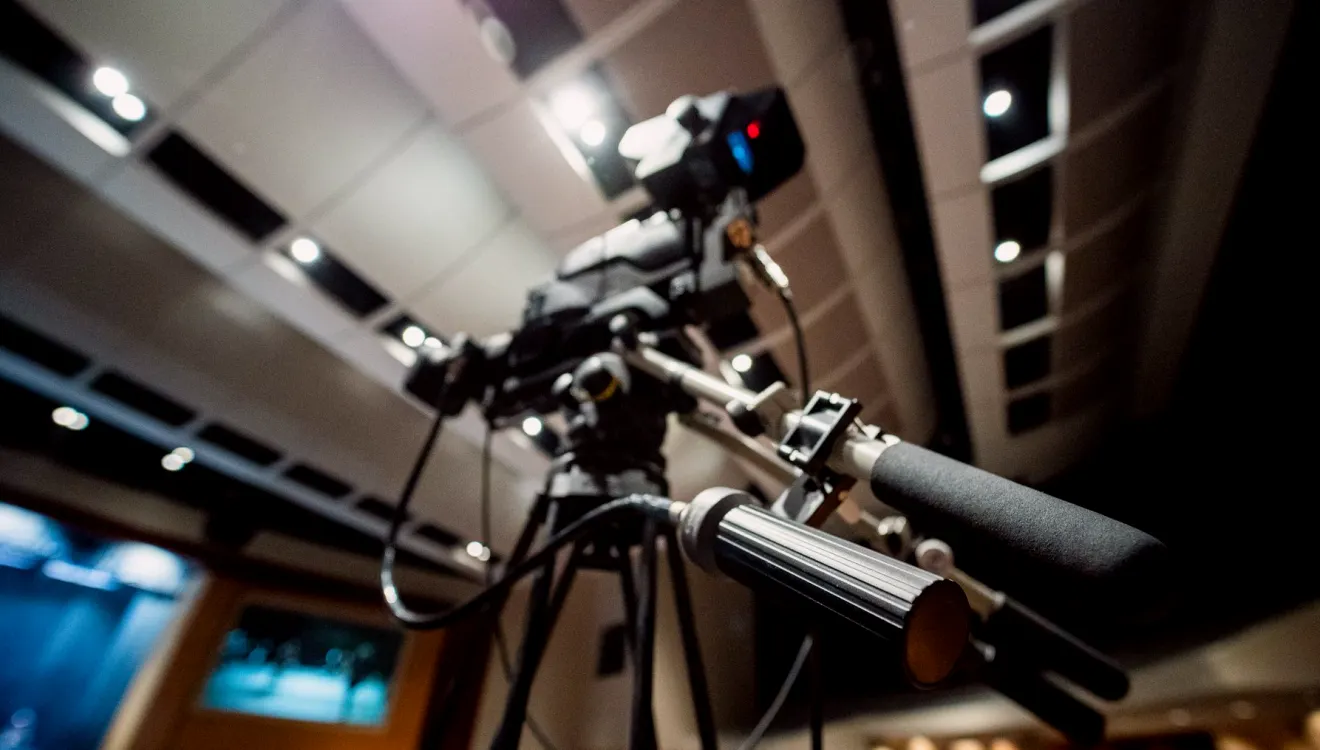
The number of cameras is the obvious driver, but the type of head matters more than people expect. A fixed camera on a tripod needs shading and cabling. A remote pan-and-tilt head adds control cabling, a power plan, limit settings and a good deal of time spent making movement smooth enough to be usable on air.

Each additional camera adds work in a stepped way. The first camera takes longest because we are establishing the signal path, naming conventions and panel layout. The fourth or fifth follows a pattern already set, so the added time per camera falls, although it never reaches zero.

Mixed fleets cost more than matched ones. When cameras come from different generations, the control protocols and colour behaviour differ, and we spend extra hours bringing them to look like one picture. If you are buying, matching the fleet is one of the quietest ways to hold the installation cost down.

  • Fixed cameras: shading and cabling only
  • Remote heads: control, limits, power and motion tuning
  • Mixed makes or ages: extra time for matching

Control panels, shading and the look you need

A control setup can be as simple as one shared panel or as full as a dedicated shading position with its own monitoring. The more you intend to adjust live, the more we need to build and test. A programme shot under steady, planned lighting may need modest shading. A live event with changing stage light, mixed daylight and screens needs a panel and an operator who can respond quickly.

Monitoring also counts. Shading by eye on a poor monitor is a false saving, because the errors turn up later in grading or, worse, on transmission. We will tell you plainly if the monitoring in a room is not good enough for the work you describe, and the quotation will show what improving it involves.

Colour matching between cameras takes patience. Skin tones are the test we return to, which is why this work is planned alongside the lighting rather than after it.

Room, cabling and what is already there

Much of the variation in price sits behind the walls. A purpose-built studio with accessible cable routes, labelled patching and spare capacity is quick to work in. A converted hall or a room with long, awkward runs takes longer, and cabling that is undocumented means we must trace it before we can trust it.

We ask for photographs, a rough plan and any existing drawings before quoting. Where these do not exist, a short survey visit is sensible, and we say so in the quotation rather than guessing. A guess that turns out wrong helps nobody, least of all a producer holding a fixed budget.

Reusing sound existing equipment is usually a good idea and lowers the cost. Equipment that is failing, unsupported or incompatible is another matter, and we will name it early instead of building a new system around a weak part.

  • Access to cable routes and ceiling voids
  • Condition of existing cabling and patching
  • Availability of plans or earlier documentation

Schedule, access and crew training

When we can work in the room matters. Installation in an empty studio over several quiet days is efficient. Fitting work around a live production calendar means shorter windows, more setting up and packing away, and a longer overall timetable. Out-of-hours access, where the venue requires it, is priced as such.

Training is the part clients most often trim and later regret. A control system that only one person understands is a risk the first time that person is absent. We offer to train your operators on the actual panels in their own room, and the time we allow depends on how many people need it and how much of the system they will touch.

A short written handover, covering settings, naming and a reset procedure, is part of how we finish. It costs little against the cost of a lost half-day when something drifts.

How a quotation reaches an invoice

You send an enquiry through the contact page. We reply with questions, and where it helps, arrange a visit. We then write a quotation setting out the scope, what it includes and the assumptions behind the figure. Nothing is ordered on the site itself.

When you confirm in writing, we issue an invoice, payable by bank transfer, and the work is scheduled. If circumstances change, cancellations and refunds follow our payment and refund policy. The Prices page lists current starting figures for each service, and your quotation will be set against those.

The most useful thing you can do to keep the figure sensible is to be specific early: cameras, room, hours of use and who will operate. Where we can reduce cost by simplifying the setup, we will say so, and where a cheaper route would cause trouble later, we will say that too.

Camera control pricing follows a handful of decisions: how many cameras, what kind of heads, how much live shading you expect, the state of the room and cabling, and when we can work. None of them is mysterious, and most are cheaper to settle before a visit than after. Send us the plain facts of your studio or event and we will answer with a written quotation you can check line by line.