
← Journal
Lighting Design
What Is on the Truss: The Tools Behind Our Lighting Plots
A look at the fixtures, meters and rigging methods we rely on when lighting studio programmes and live stages, and why each one earns its place in the plot.
Callum Ashworth · · 6 min read
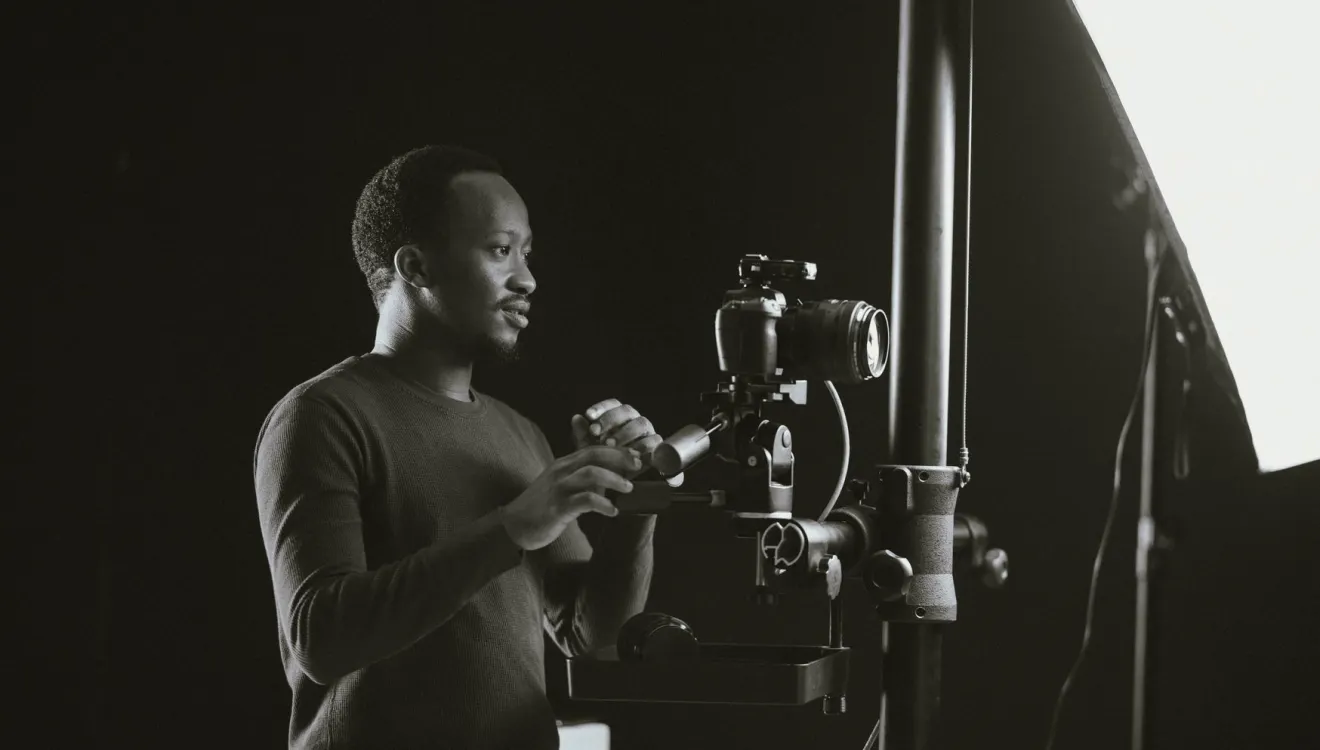
Starting with the light we cannot see
- Incident readings at every playing position
- A reference chart shot through the actual camera
- Notes on ceiling height and available power
Choosing fixtures for skin tones and camera response
- Soft panels for key and fill on presenters
- Profile units where a hard edge is needed
- Fresnels for controlled warmth and backlight
Rigging methods that keep the crew safe and the plot tidy
- Drawn plot checked against the actual structure
- Secondary safety on every hung fixture
- Labelled cabling and a patch sheet for the desk
Control desks, cues and the value of a plain patch
Working with the camera team on set
- Shade and light together, not one after the other
- Agree the contrast range before the background is set
- Check the picture on a calibrated monitor
What we carry and what we leave behind
The tools behind a lighting plot are mostly modest: a meter, a chart, well-chosen fixtures, sound rigging and a patch anyone can read. What makes them work is the order in which they are used, measuring first, designing for the camera, and leaving the crew with documents they can follow. If you are planning a studio programme or a stage this winter, bring your camera details and your venue plans, and we can talk through what the room will need.